Published August 10, 2020
Fire Pit Safety Tips

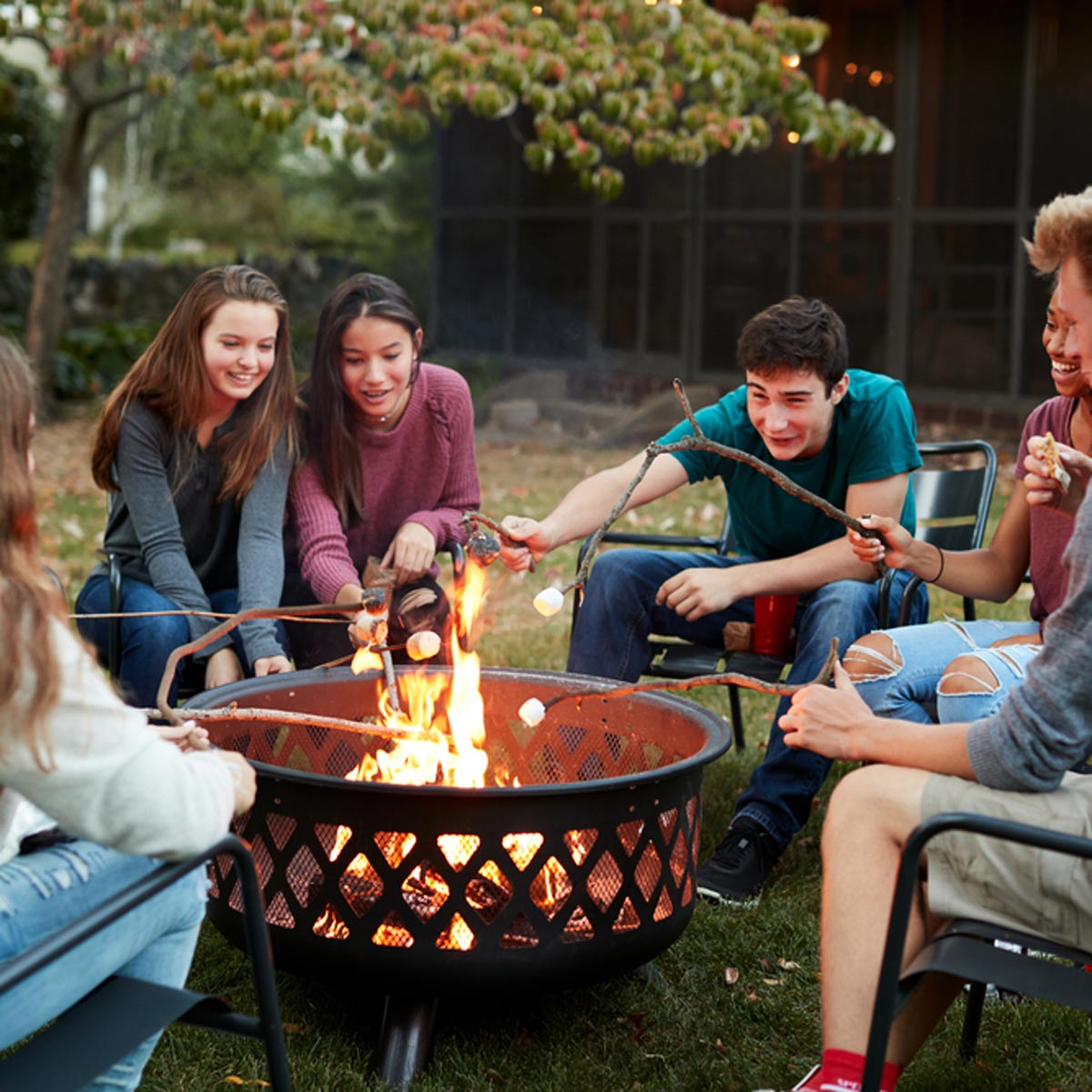
Fire pits are becoming a backyard staple, and they provide a great place to cook outdoors or wind down at the end of a busy day. While a fire pit is meant for pleasure, we must remember that we are “playing” with fire, and precautions have to be taken so it remains so.
- The location of your fire pit should be at least ten feet from any structure, neighboring property, or fence, with the best distance being twenty-five feet.
- A wide-open spot is best for placement, away from hanging tree branches, and never on a covered porch. In choosing a fire pit for a covered location, propane should be your choice for fuel. The flames will be easier to control and extinguish, if necessary.
- Use non-flammable materials as a base for the fire pit: rock, cement block, or fire-resistant composite material should be spread at least twenty-four inches out from where your fire pit stands. Never sit it directly on the grass or a wooden deck.
- While looking through the many options when purchasing a fire pit, you need to make certain that it is at least six inches deep, and a minimum of two feet in diameter. A removable screen is another great asset for the fire pit, as it will help contain embers from floating up with the flames.
- Extinguishing a wood fire in your fire pit is simple enough: douse it completely with water and stirring the ashes with a shovel to be certain the fire is out completely. Use only a metal container to dispose of ashes.
- If a full-on fire pit is not a possibility, a tabletop version may be your best choice. Fueled by denatured alcohol gel or bio-ethanol, these tiny fireplaces can be used anywhere, anytime.
Always check with your municipality to get the proper permits and give your insurance agent a call to make sure you do not need extra coverage on your homeowner’s insurance. Once you get all your safety precautions taken care of, you can enjoy your new retreat, knowing it is not only relaxing but safe as well.
Photo credit: The Family Handyman

Mary Gilbert
Realtor, Team Leader | Mary Gilbert Group – Roseburg, OR Real Estate Agent
or another way